這句話聽起來很溫馨:彷彿有人細心把家裡布置得更舒適,然而事實上它往往指向的是負面的意涵。為什麼「羽毛」會和金錢或好處扯上關係?
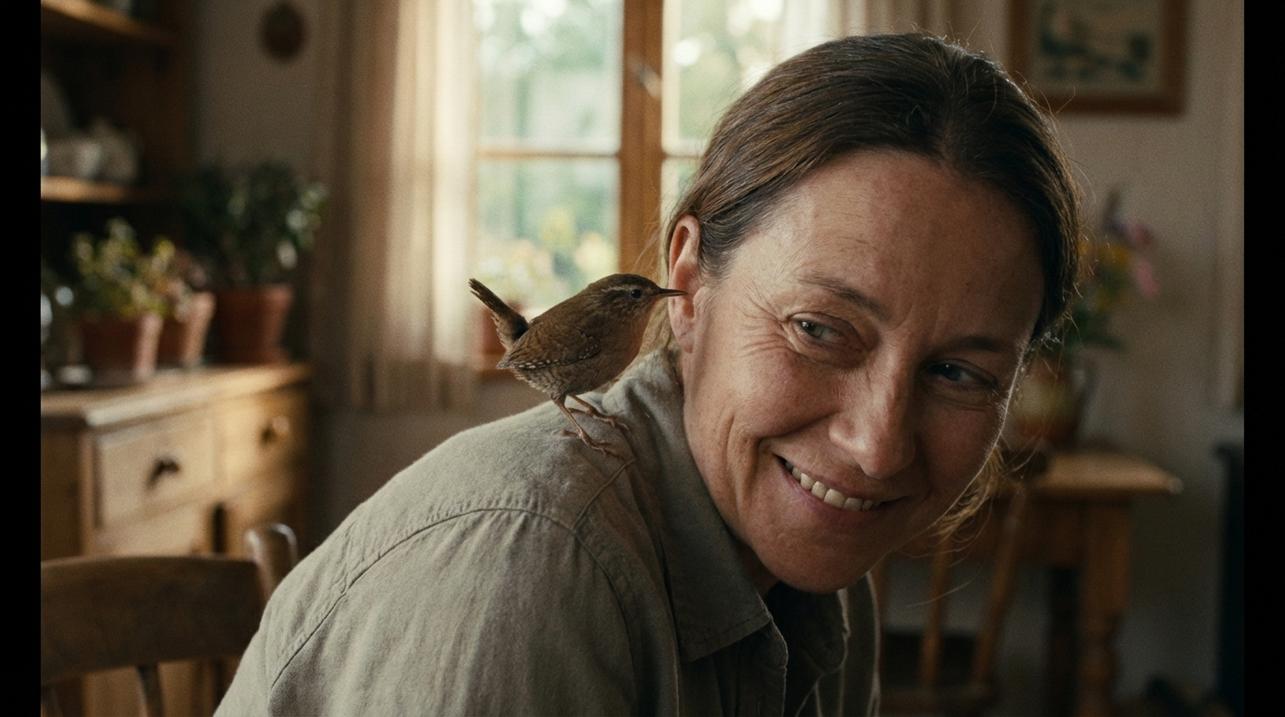
這個意象很可能來自鳥類會用柔軟的羽毛鋪巢,讓巢更溫暖、更安全;因此 to feather one’s nest 就成了「讓自己的處境更舒適、更有保障」的比喻。
如今,to feather one’s nest 的意思是利用工作、職位或機會來圖利自己,常常是以自私或不誠實的方式多拿錢、好處或特權。它常用來批評貪腐或自利的行為。
應用
• 使用頻率:7/10
• 適用場合:Casual, Professional
例句
• The mayor promised new parks, but everyone knew he was just feathering his nest with kickbacks from developers.
(市長口口聲聲說要蓋公園,但大家都知道他其實只是在替自己撈好處,從建商那邊收回扣。)
• The new manager has been using his position to feather his own nest, giving all the lucrative contracts to his friends’ companies.
(新經理一直在利用職位中飽私囊,把所有好賺的合約都給他朋友的公司。)
• Ever since he became the project manager, he’s been awarding contracts to his brother’s company — clearly just feathering his own nest.
(自從他當上專案經理,就一直把合約發包給他哥哥的公司,根本就是在中飽私囊。)