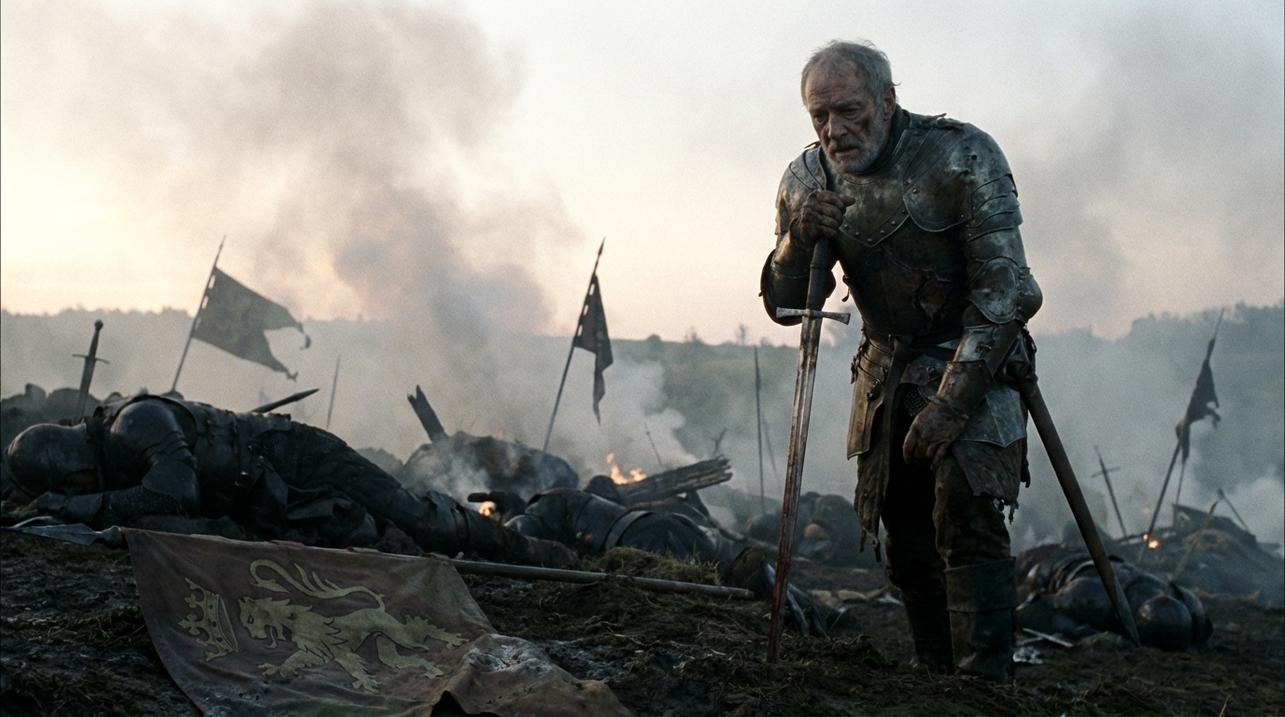
勝利有時看起來像是失敗——如果付出的代價太高。這正是「皮洛士式勝利」(Pyrrhic victory)這個說法的反轉意味。
這個詞源自伊庇魯斯國王皮洛士(西元前3世紀)。他與羅馬交戰,在赫拉克利亞戰役(西元前280年)與阿斯庫倫戰役(西元前279年)雖然打了勝仗,卻付出極其慘重的傷亡。據說他曾感嘆,如果再來一次這樣的勝利,自己就會被拖垮。這個觀念見於古代作者的記載(尤其是普魯塔克),於是他的名字便被用來形容那種「贏了卻傷到自己」的勝利。
所謂「皮洛士式勝利」,指的是一種成功卻伴隨巨大代價(金錢、時間、人力、名聲、精力等),高到幾乎不值得,有時甚至讓你比原本更糟。它可用於政治、商業、運動、爭論或個人抉擇等情境。
應用
• 使用頻率:7/10
• 適用場合:Casual, Professional
例句
• Winning the contract was a Pyrrhic victory; we had to slash prices and work through the weekend, and in the end there was hardly any profit left.
(贏下那份合約真是得不償失;我們把價格砍到見骨,還整個週末趕工,最後幾乎沒賺到什麼。)
• We won the contract, but after seeing the razor-thin margins and the amount of overtime everyone will have to put in, it feels like a Pyrrhic victory.
(我們是拿到合約沒錯啦,但看到那微薄的利潤,還有大家接下來要瘋狂加班的樣子,這根本就是一場慘勝嘛。)
• Winning that argument with my boss felt like a Pyrrhic victory — sure, I proved my point, but now the whole office atmosphere is completely ruined.
(跟老闆吵贏了又怎樣,氣氛搞僵了,根本就是殺敵一千、自損八百。)